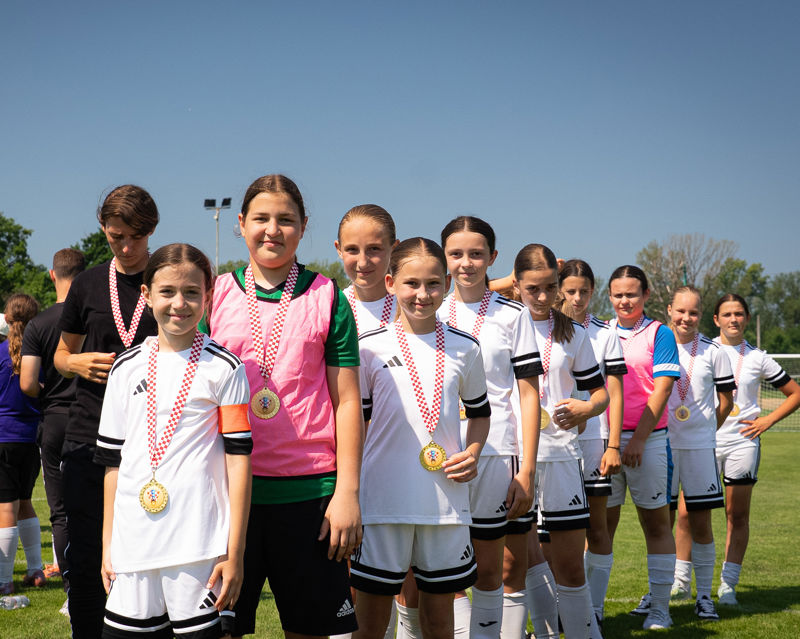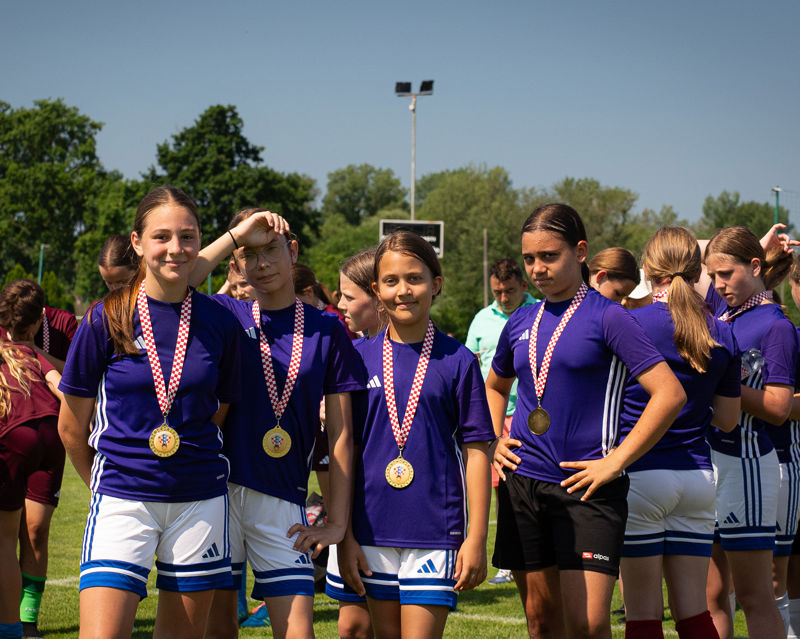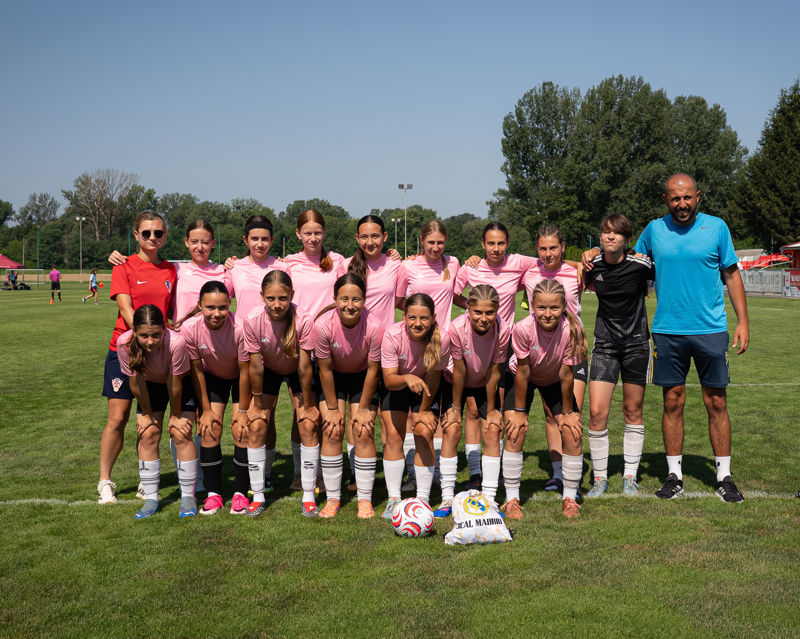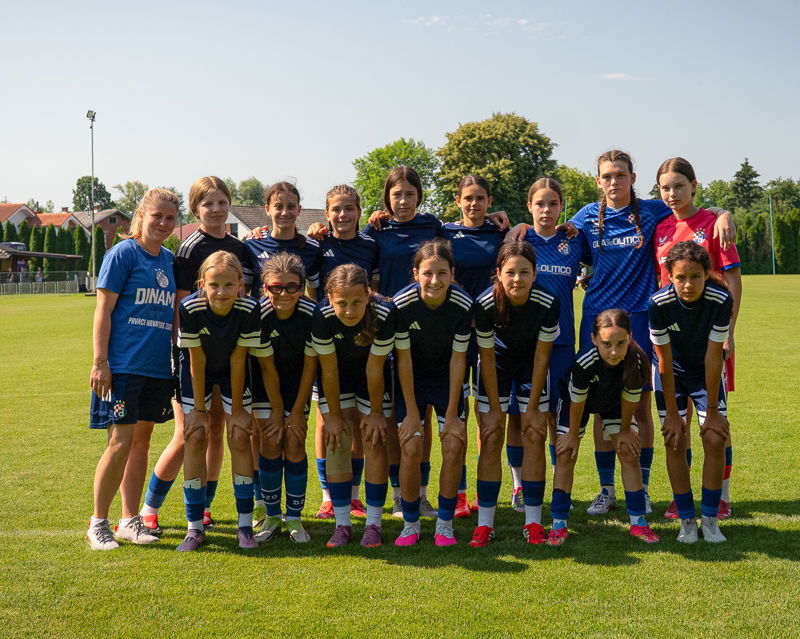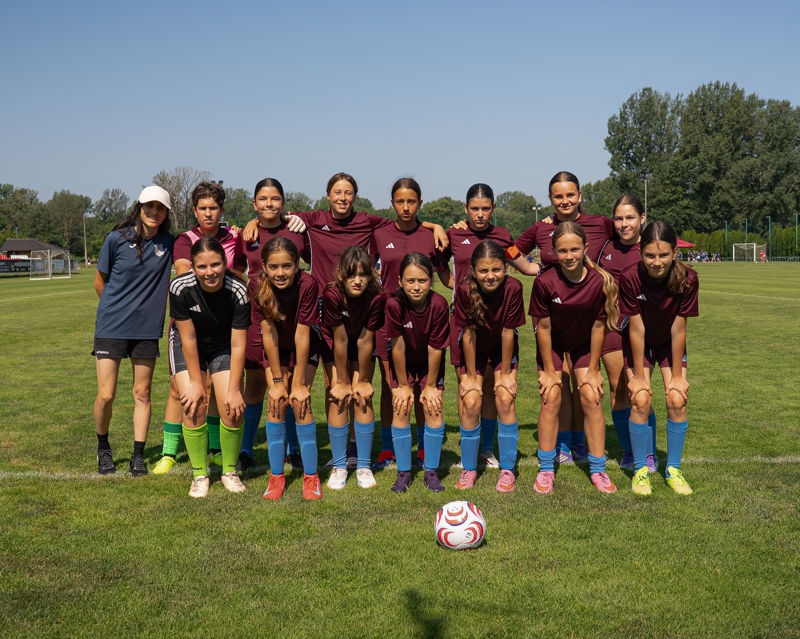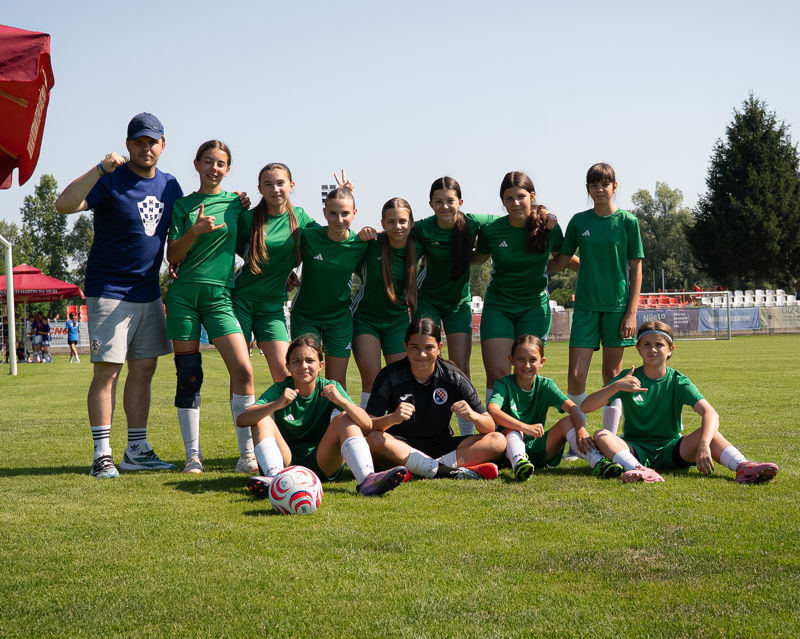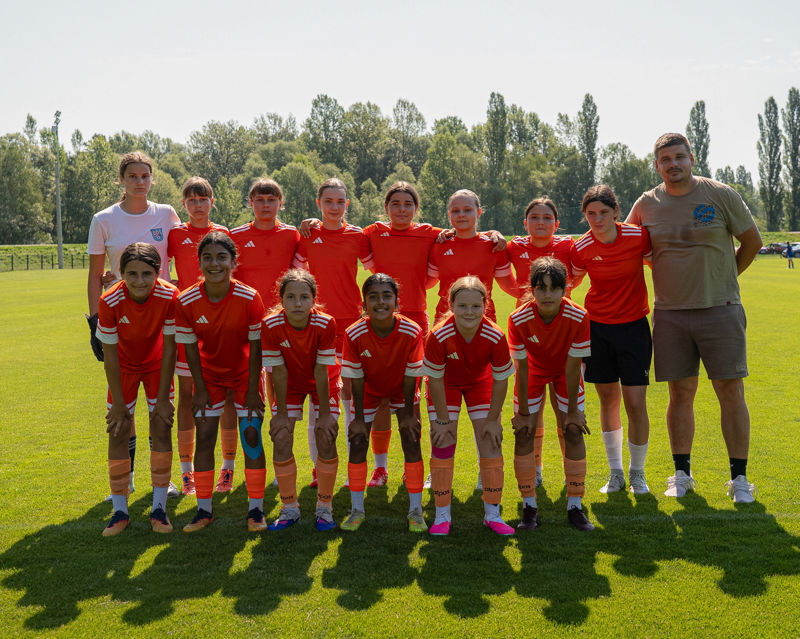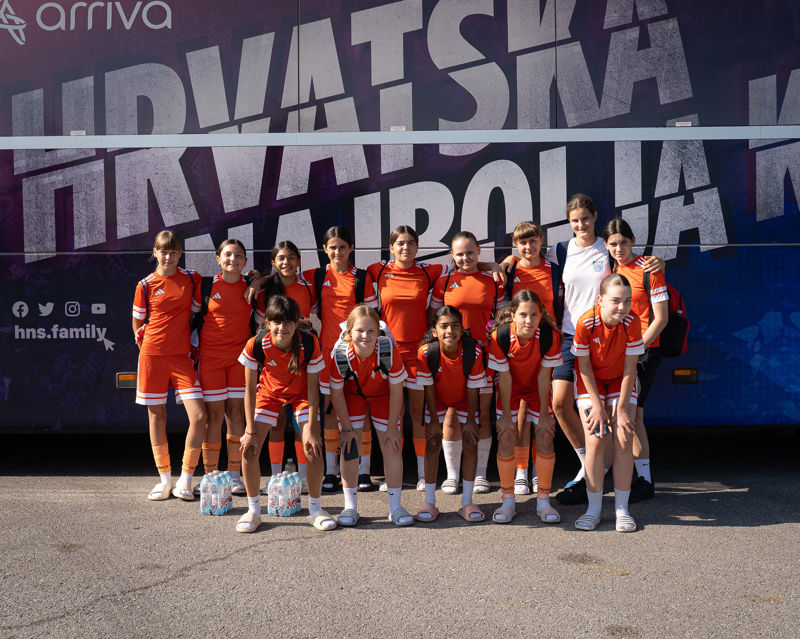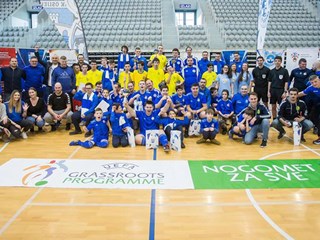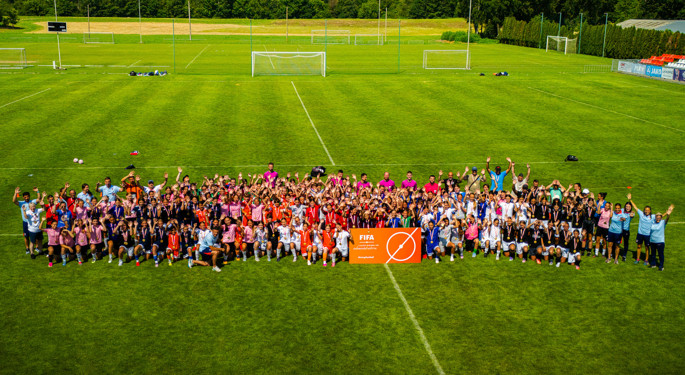


This is an important development project of the Croatian Football Federation, implemented with the support of FIFA through the FIFA Women’s Development Programme – League Development, and represents one of the concrete steps in the implementation of the new women’s football development strategy. The aim of the project is to further develop women’s football, create a stronger competition structure for girls, strengthen the grassroots base and establish stronger foundations for the future talent identification process.
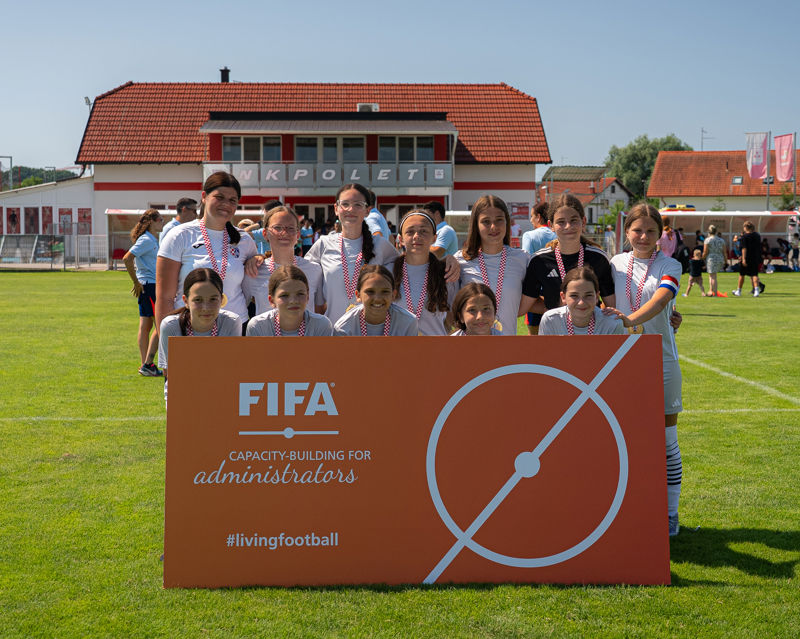
A total of 12 clubs from across Croatia took part in the final tournament after qualifying through regional activities in their respective areas: Graničar Županja, ŽNK Marsonia Slavonski Brod, ŽNK Osijek, ŽNK Radnik Koprivnica, ŽNK Međimurje Čakovec, Međimurje 2, ŽNK Split, ŽNK Donat, NK Ćiro, NK Agram, ŽNK Dinamo and ŽNK Rijeka.
The U-13 Girls League Finals project was designed as a pilot competition through which the Croatian Football Federation aims to lay the foundations for a future structured national competition platform for girls under the age of 13. In this age category, the development of women’s football in Croatia is still largely based on regional activities, short leagues and local tournaments, with different levels of development across the regional centres. This is precisely why the project is of particular importance, as it provides girls from all parts of Croatia with more equal competitive opportunities, additional match experience, greater visibility, and a clearer connection between club work, regional centres and the national talent identification system.
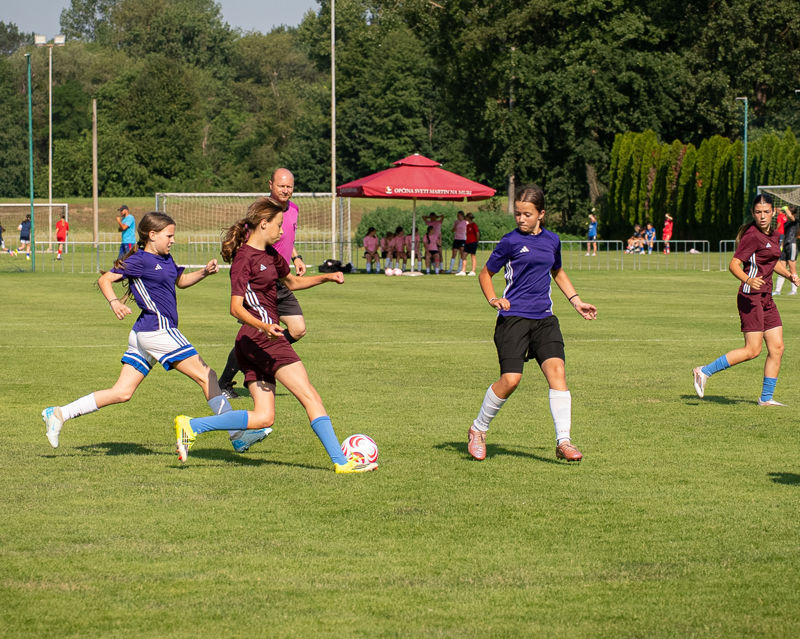
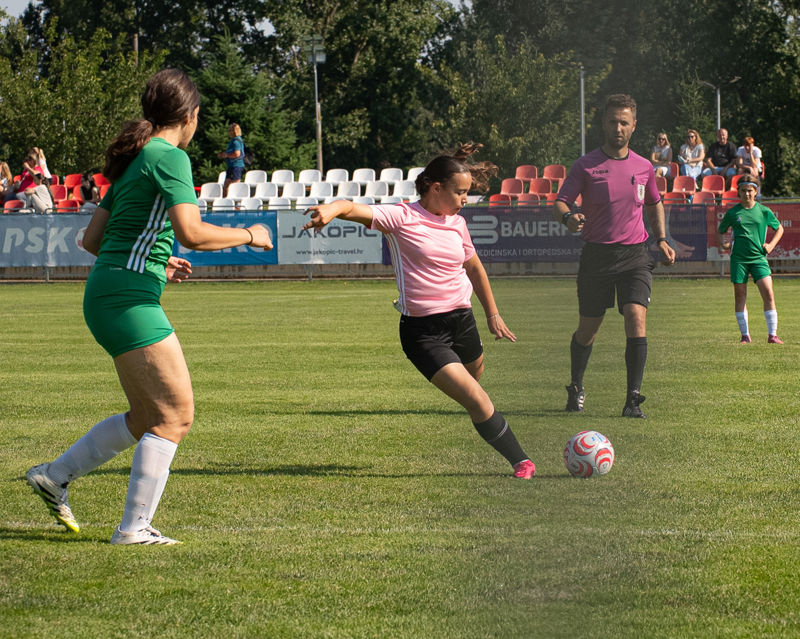
Petar Krpan, Head of Development at the Croatian Football Federation, emphasised that this type of project represents an important step forward in the development of women’s football in the youngest age categories.
“We want girls in Croatia to have the best possible conditions for football development from an early age. This competition format gives them more matches, a better-quality experience, the opportunity to meet peers from other regions, and a sense of belonging to a serious football system. This is especially important because at this age we are creating the foundations for the future development of players, clubs and national team selections. For us, this pilot project is a valuable model on which we can continue to build the girls’ competition system. I would especially like to thank the instructors of the HNS women’s football regional centres for their engagement in the implementation of regional activities, as well as the coaches of the clubs that took part in competitions at regional level and especially in the final tournament. Their work, energy and daily commitment are crucial for the development of the women’s football base,” said Krpan.
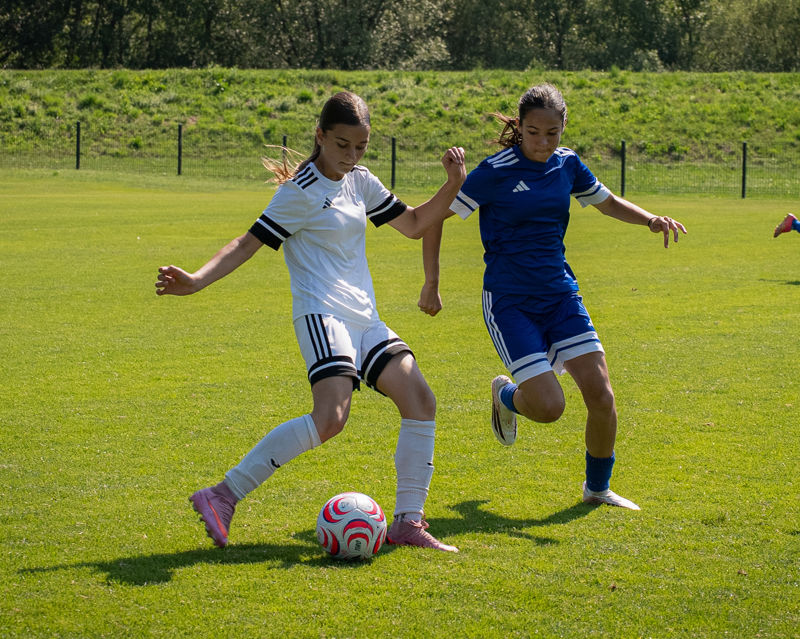
Special emphasis was placed on a development-oriented competition format, with the aim of giving girls in this sensitive development age group a high-quality football experience, a sufficient number of matches, a positive environment and motivation to continue playing football. The tournament was not only competitive in nature, but also had strong developmental, educational and talent identification value. Through the project, the progress of players is monitored, clubs from all regions are included, retention of girls in football is encouraged, and conditions are created for better identification of talented players at an early stage of development.
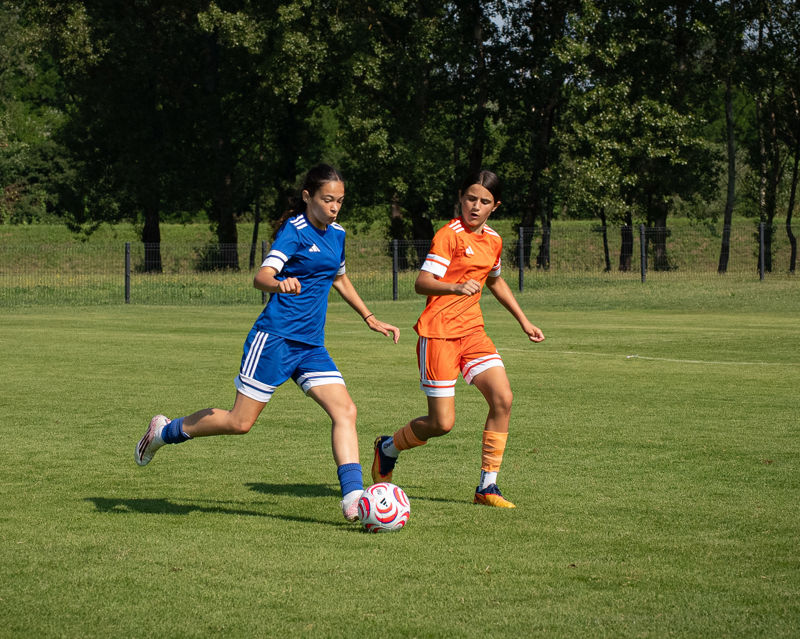
Božidar Miletić, Women’s Football Coordinator at the Croatian Football Federation, stressed that the final tournament in Sveti Martin na Muri forms an important part of a broader development process.
“The development of women’s football cannot be built only through senior teams and national teams. The foundation must be the base, and that means clubs, regional centres, coaches and competitions for girls. With this project, we are connecting all these elements into a more systematic model. It is important for us that girls from all parts of Croatia have the opportunity to play, develop and be recognised. The U-13 category is one of the key points for talent identification, but also for creating a positive experience that will keep girls involved in football. I would especially like to thank the secretaries of the regional centres who actively participated in the organisation of competitions at regional level, from which the teams qualified for the final tournament, as well as for their constant support in the implementation of the entire project. Without such operational support and quality cooperation on the ground, it would not have been possible to deliver a project of this level,” said Miletić.
This competition model is one of the foundations of the Croatian Football Federation’s new women’s football development strategy, with special attention given to strengthening the grassroots base, developing girls in the younger age categories, better connecting regional activities and national programmes, and creating a sustainable competition pathway from the youngest categories towards national team selections. The U-13 Girls League Finals is therefore not designed merely as a final tournament, but as a development and talent identification tool that enables the Croatian Football Federation to monitor players more systematically, strengthen cooperation with clubs and regional centres, and implement strategic objectives in women’s football in a concrete way. The aim of the Croatian Football Federation is for this pilot project to serve as the basis for a future systematic and regular national U-13 girls’ competition.
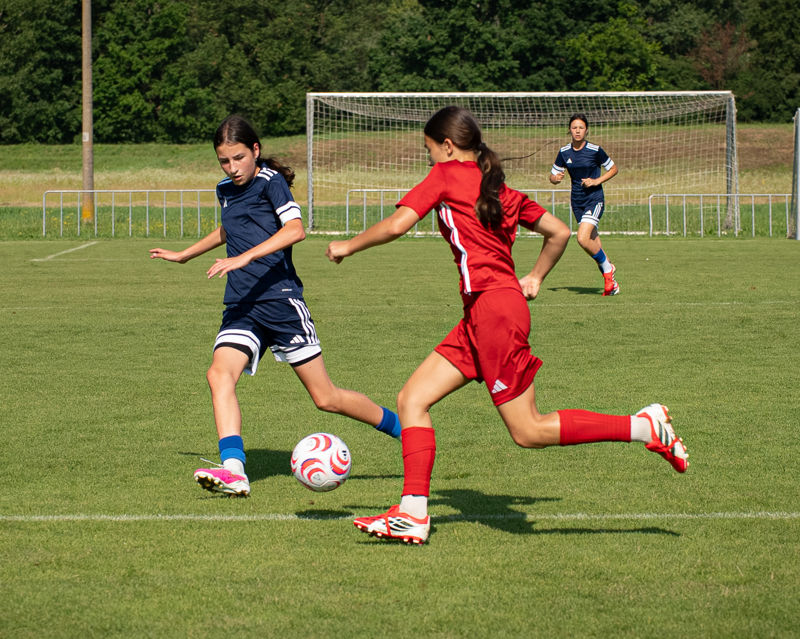
An important role in the implementation of the project was played by Petar Krpan, Head of Development, Božidar Miletić, Women’s Football Coordinator, Anđelko Ivanjko, Head of Competitions, the regional instructors of the HNS women’s football centres, and the HNS Competitions Department. The regional activities and competition monitoring involved women’s football regional centre instructors Helena Hercigonja-Moulton for NS Zagreb, Tomislav Mužina for NS Sjever, Božidar Miletić for NS Split, Dunja Štokan for NS Rijeka and Branka Juhas for NS Osijek. The operational implementation of the project was coordinated by Laura Jurčević, Event Manager in the HNS Competitions Department, in cooperation with clubs, local organisers, coaches, referees, medical services and all other stakeholders involved in the organisation of the final tournament.
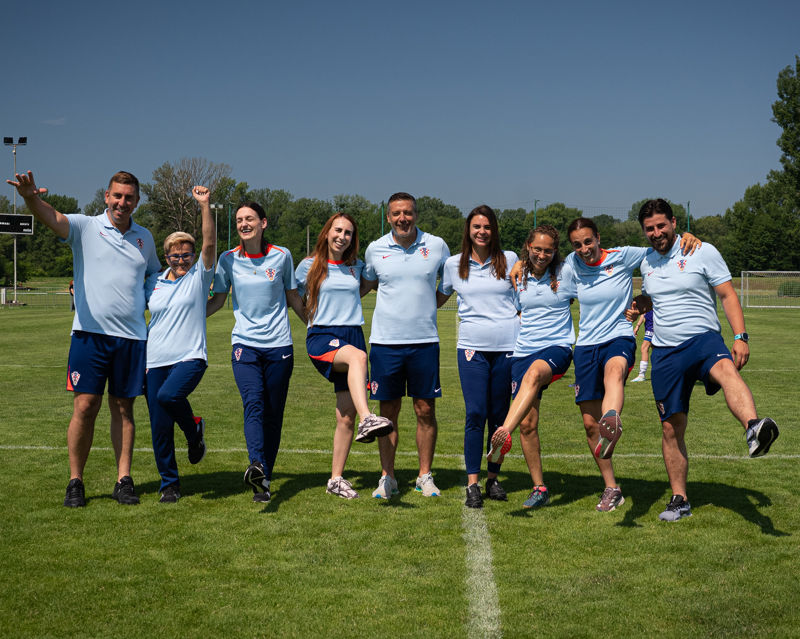
Through this project, FIFA is an important partner of the Croatian Football Federation in the development of women’s football, particularly in the area of competition structure and the creation of sustainable development models. Support through the FIFA Women’s Development Programme enables the Croatian Football Federation to invest further in competitions for girls, club development, the inclusion of more young players, and the strengthening of local football environments. In this way, the project is not viewed merely as a one-off final tournament, but as an important step towards the long-term development of women’s football in Croatia.
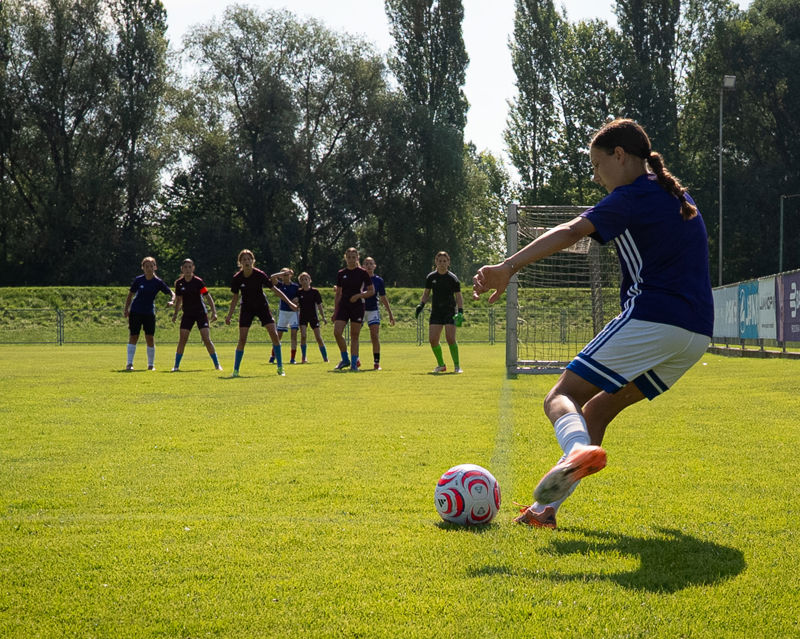
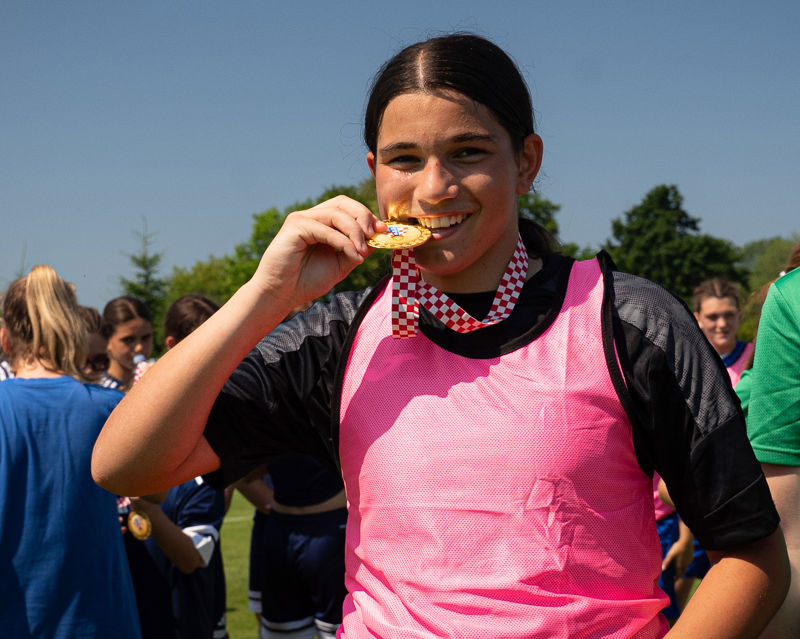
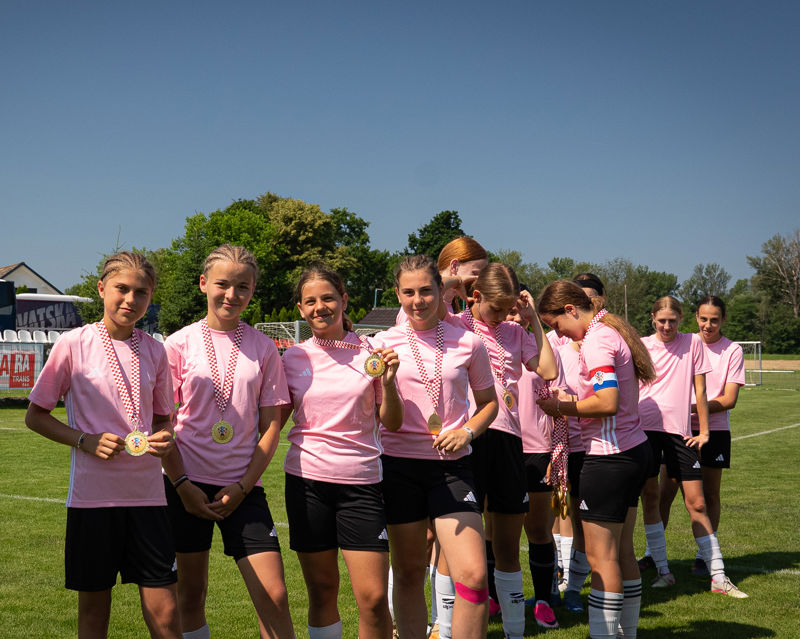
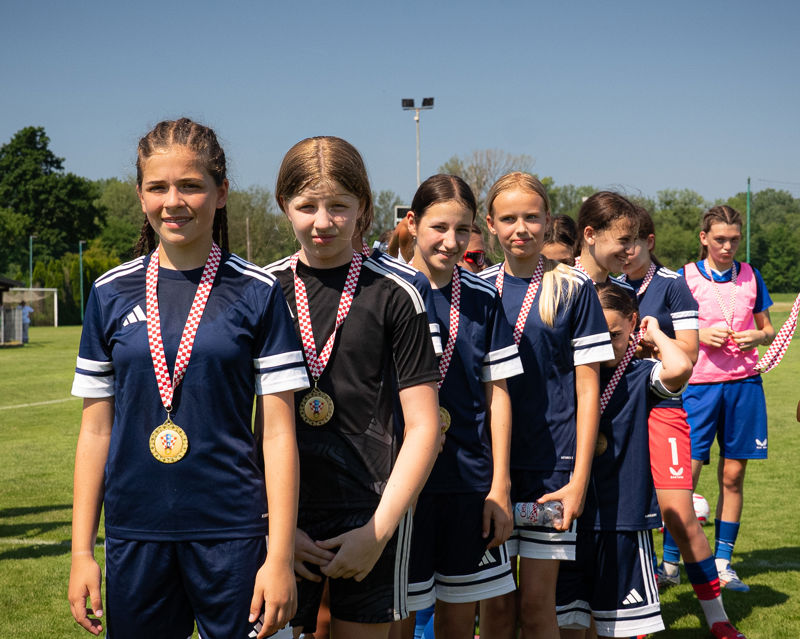
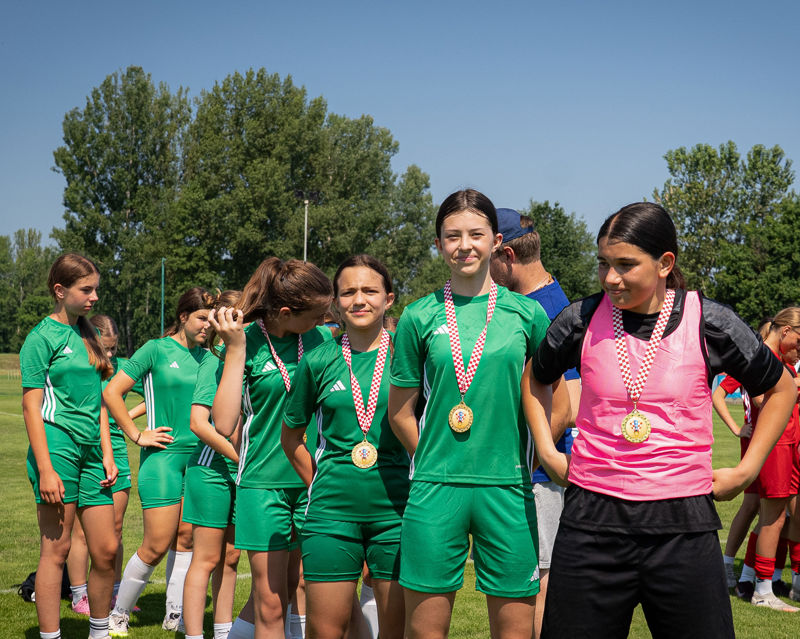
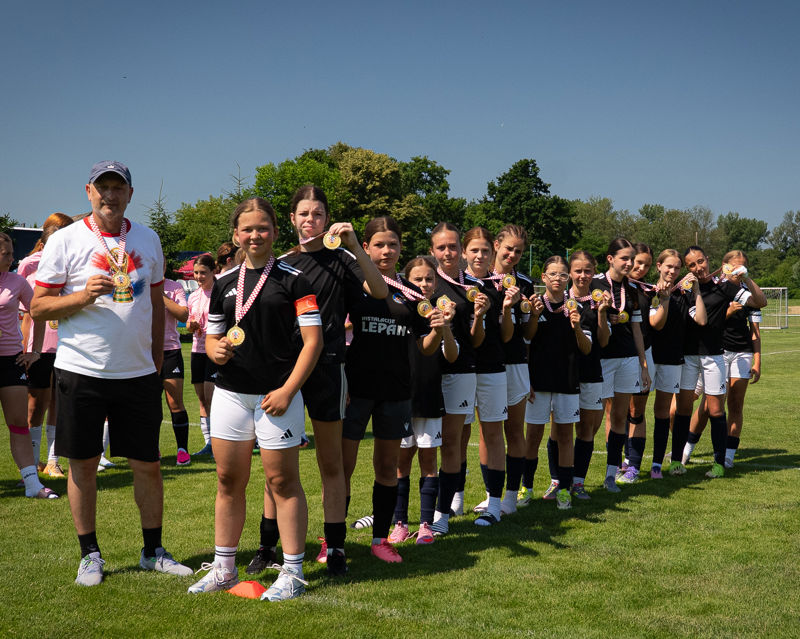
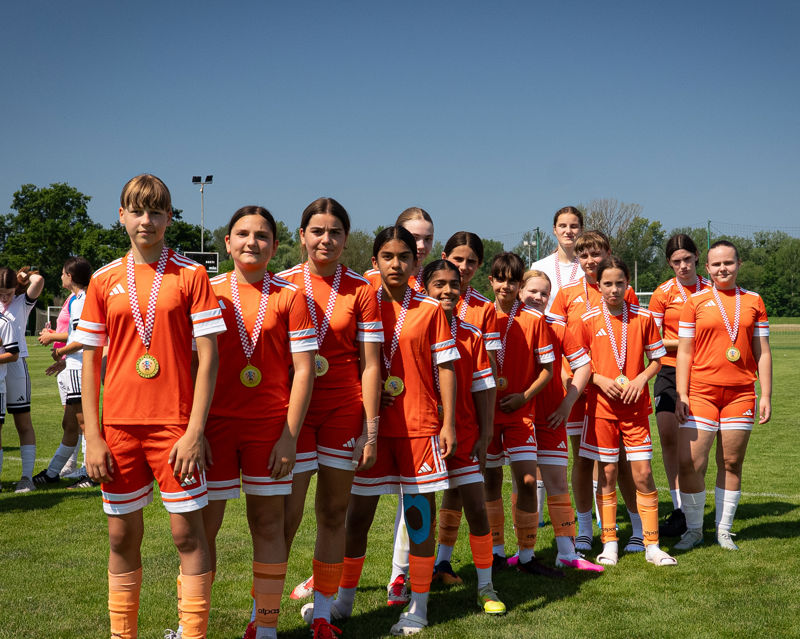
All participants in the final tournament, players and coaches, were awarded commemorative medals by HNS and FIFA as a lasting memory of this valuable development project. In addition, all players of each team received a full equipment set, while every club was also provided with a set of balls secured by HNS through the FIFA project. In this way, in addition to its competitive and talent identification value, the project also provided clubs and players with concrete development support for the continuation of their work in their local environments.
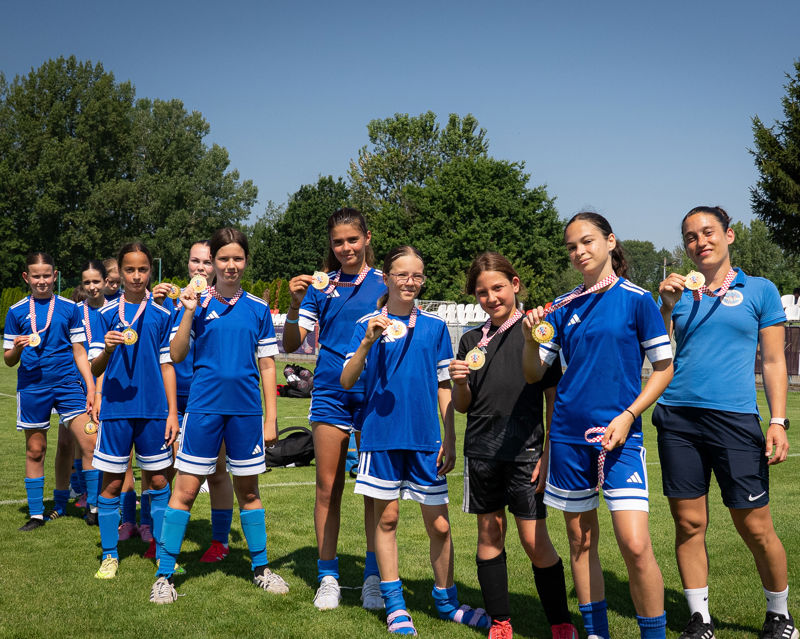
One of the specific features of the project is its additional development and talent identification dimension. In addition to the players from the clubs that qualified for the final tournament, the project also enabled the inclusion of the most talented players from each regional centre whose clubs did not qualify for the finals. These players joined clubs from their own regional centres that participated in the final tournament, giving them the opportunity to compete at national level, gain additional match experience, and be monitored in a high-quality development environment. This approach further connects regional centres, clubs and the talent identification process, while highlighting the importance of the project for recognising and developing talented girls in all parts of Croatia.
“One of the most important goals was to enable girls to experience football through a well-organised competition as a positive, encouraging and serious environment. The result is important, but at this age the experience, motivation, sense of belonging and continued involvement in club football are even more important. If we manage through projects like this to keep more girls in football and open the door to new players, we have made a major developmental step,” added Miletić.
The final tournament in Sveti Martin na Muri showed that there is growing interest in women’s football in the younger age categories in Croatia, as well as strong potential for the further expansion of the competition system. By bringing together teams from all regions, this tournament represented the highlight of the WU-13 season, but also a valuable test model for future competition formats.
“For the Croatian Football Federation, projects like this have a dual value. On one hand, we provide girls with a high-quality competitive experience, and on the other hand, we gain a better insight into the state of women’s football across the regions, the work of clubs and the potential of players. This is important for planning future activities, coach education, competition development and the talent identification process,” concluded Krpan.
The Croatian Football Federation will continue, in cooperation with FIFA, regional centres, clubs and coaches, to develop projects that enable more girls to enter football, gain better competitive experience and follow a clearer development pathway. The U-13 Girls League Finals represent an important step towards creating a stronger, broader and more sustainable base for women’s football in Croatia, while the experience gained through this pilot project will be used for further planning of competitions and development activities in the coming seasons.